The federal loophole that allows food companies to decide what’s safe for you to eat
Unlocking the Truth: The Alarming Rise of Ultra-Processed Foods and its Impact on American Health
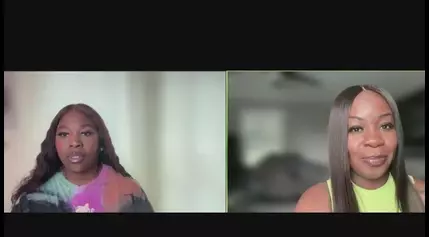
In a sobering revelation, the CBS Reports documentary "Ultra Processed: How Food Tech Consumed the American Diet" delves into the alarming prevalence of ultra-processed foods in the American diet and the devastating consequences it has on the health of both children and adults. The documentary follows the journey of 15-year-old Tiara Channer, who was diagnosed with prediabetes at the age of 13, and her mother's efforts to help her overcome this condition through a healthier diet and lifestyle.Reclaiming Health: Tackling the Ultra-Processed Food Epidemic
The Hidden Dangers of Ultra-Processed Foods
Ultra-processed foods, characterized by their low cost and high convenience, have become a dominant force in the American food supply, comprising over half of the average adult's diet and two-thirds of a child's. These highly processed, nutrient-poor options are fueling a public health crisis, with 1 in 5 American kids facing the increased risk of type 2 diabetes, chronic kidney disease, and cardiovascular disease. The documentary's focus on Tiara Channer's journey highlights the urgent need to address this growing problem, as her prediabetes diagnosis at such a young age serves as a stark wake-up call for the nation.Navigating the Complexity of Nutrition Education
For young individuals like Tiara, understanding what constitutes a healthy diet can be a significant challenge. The documentary reveals the difficulties they face in transitioning from a diet heavily reliant on ultra-processed foods to one that prioritizes whole, nutrient-rich options. Tiara's experience underscores the importance of comprehensive nutrition education, empowering young people to make informed choices and take control of their health. The road to recovery may not be an easy one, but Tiara's success in overcoming her prediabetes diagnosis through lifestyle changes serves as an inspiring example of the transformative power of informed decision-making.The Regulatory Landscape: Loopholes and Limitations
The documentary delves into the regulatory framework surrounding food additives and the role of the FDA in safeguarding public health. With an estimated 10,000 food additives approved for use in the United States, as opposed to only 411 in the European Union, the disparity highlights the need for more stringent oversight and transparency. The GRAS (Generally Recognized as Safe) designation, a regulatory loophole that allows companies to self-affirm the safety of new additives without FDA review, has enabled the proliferation of these potentially harmful substances in the food supply. Senator Bernie Sanders' call for the FDA to be more aggressive in reviewing these products underscores the urgency for legislative action to address this concerning issue.The Processed Food Industry: Parallels to the Tobacco Industry
The documentary draws a stark comparison between the processed food industry and the tobacco industry, highlighting the concerning similarities in their tactics to obscure the health risks associated with their products. Sanders' critique of the FDA's "negligence" in regulating the processed food industry echoes the calls for greater accountability and consumer protection. As the public's awareness of the dangers of ultra-processed foods grows, the momentum for meaningful change is building, with the Childhood Obesity Reduction Act of 2024 serving as a glimmer of hope in the fight for a healthier food landscape.Empowering Individuals and Communities
While the regulatory landscape and industry practices present significant obstacles, the documentary underscores the importance of individual and community-driven efforts to combat the ultra-processed food epidemic. Tiara's journey, marked by her determination to overcome her prediabetes diagnosis through a healthier lifestyle, serves as a testament to the transformative power of personal agency. By fostering a deeper understanding of nutrition and the impact of dietary choices, we can empower individuals, particularly young people, to make informed decisions and reclaim their health. The documentary's message resonates with a growing public sentiment that change is both necessary and achievable, even in the face of powerful special interests.